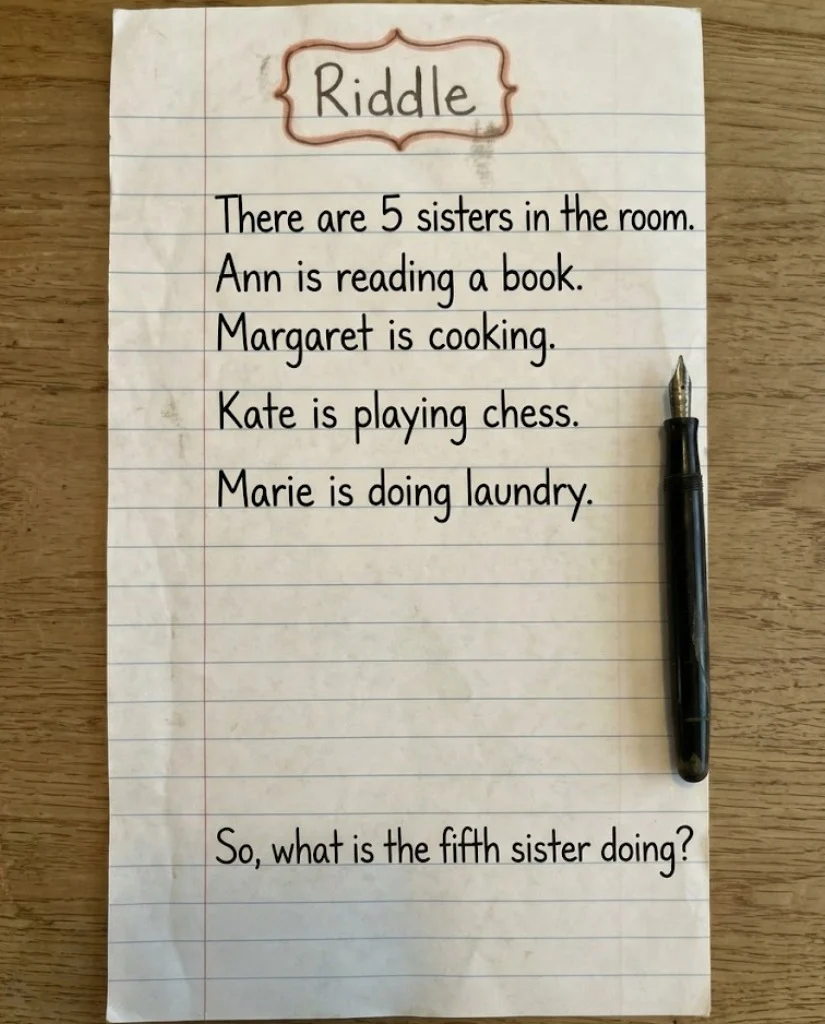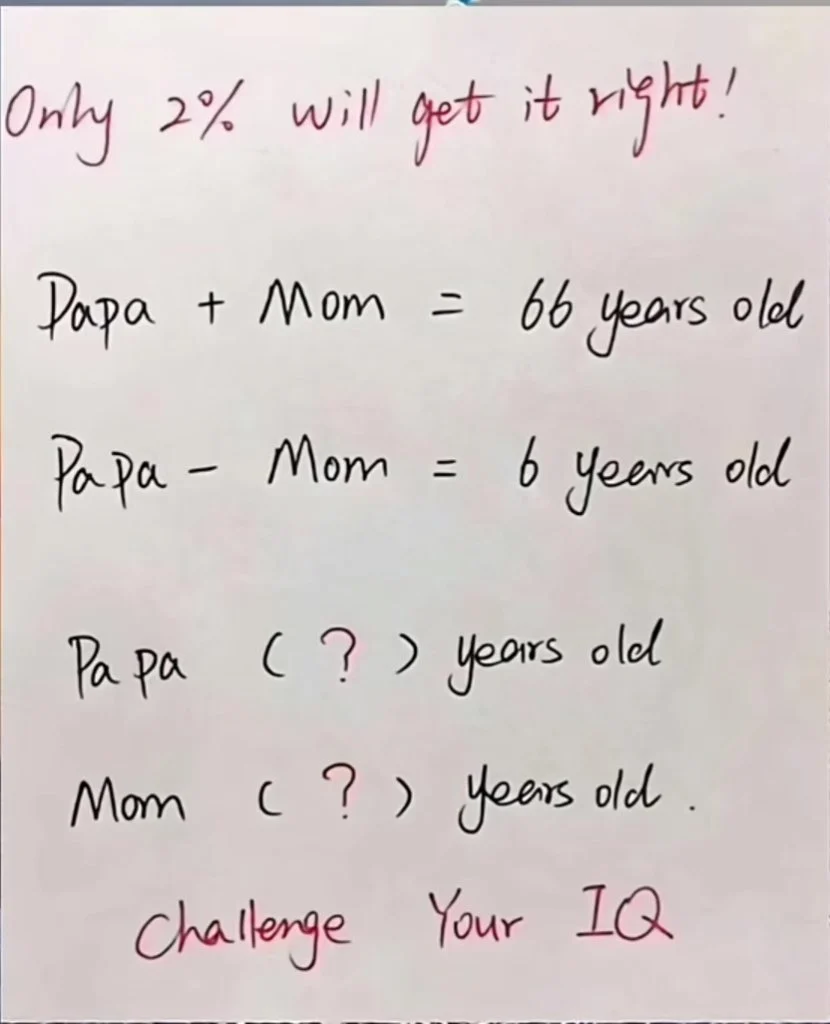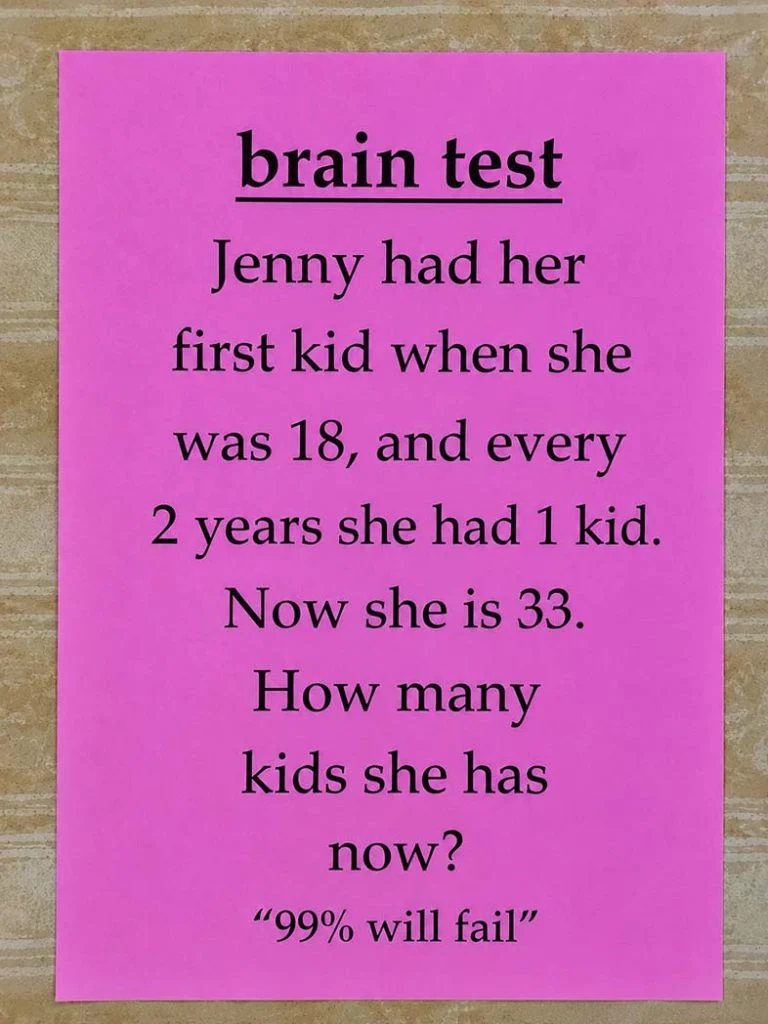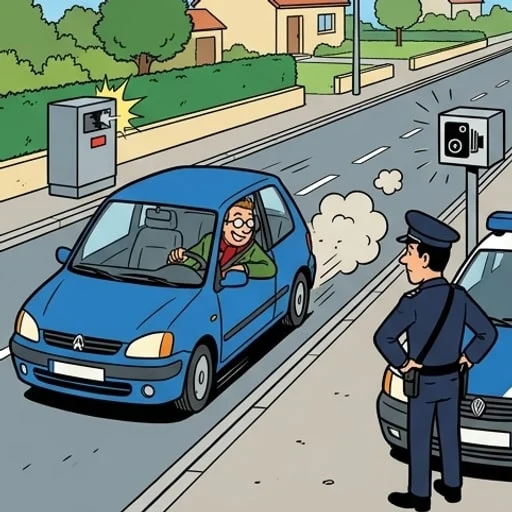
According to American Voices, these activities can improve memory, strengthen concentration, and encourage problem-solving while also providing an enjoyable mental break. The challenge of finding a hidden detail or completing a pattern pushes the brain to work in different ways than it would during routine daily tasks.
Keeping the mind sharp as we age
Regular puzzle-solving is associated with maintaining mental agility over time. The repeated demands of attention and observation are thought to keep the brain engaged in ways that everyday routine may not.
This benefit is described as particularly relevant as people grow older, when keeping the mind active becomes a more deliberate effort. The variety of formats available — from a quick visual challenge to a complex jigsaw — means the level of mental engagement can be adjusted to suit different needs and stages of life.
More than a pastime
Puzzles span a wide range of formats — crosswords, jigsaws, and visual challenges among them. What they share is a demand for active mental engagement rather than passive consumption. This distinguishes them from most screen-based entertainment and is central to the cognitive and social benefits attributed to them.
Patience and focus that carry over into daily life
One of the less obvious benefits of puzzles is what they teach about process. Rather than rushing toward a solution, a puzzle requires slowing down, re-examining details, and persisting when progress stalls.
These habits, built through repeated practice, are described as transferable beyond the puzzle itself. Better concentration at work, more careful attention in relationships, and a steadier approach to everyday challenges are all cited as potential carry-over effects of regular puzzle engagement.