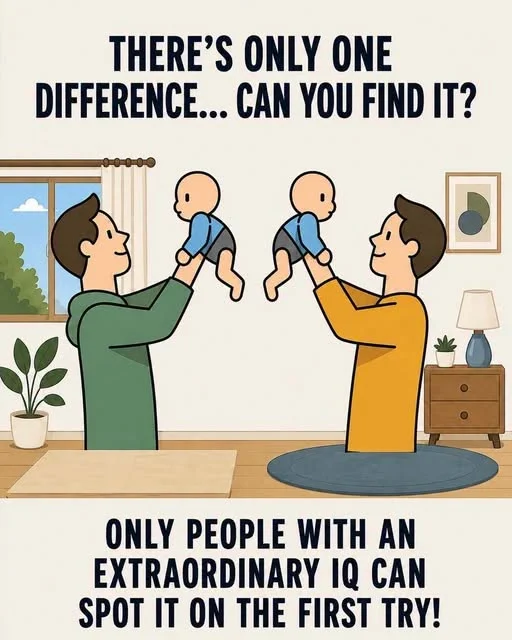
At first glance, it looks like a simple list of activities. Five sisters, four descriptions — and one missing answer that stumps the majority of readers. This short brain teaser has been circulating widely, and its trick lies not in complexity, but in how our brains process information.
En bref
- —Five sisters, but only four activities are described
- —Chess requires two players — the hidden clue
- —Most people overlook the obvious logical constraint
A Riddle That Looks Simpler Than It Is
The setup is deliberately straightforward. There are five sisters in a room. Ann is reading a book. Margaret is cooking. Kate is playing chess. Marie is doing laundry. The question: what is the fifth sister doing?
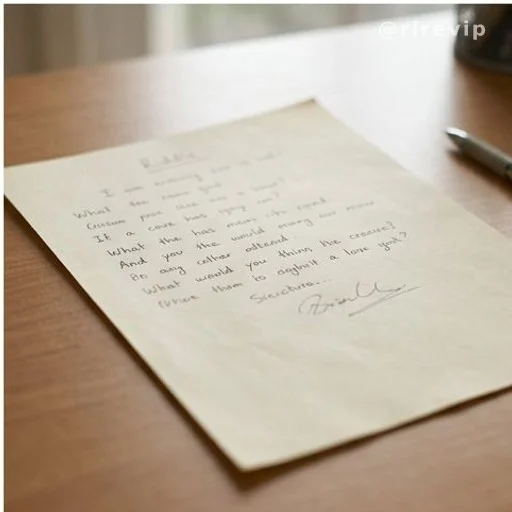
Most people read through the list and immediately start searching for a fifth, separate activity. The brain, trained to look for patterns and complete sequences, assumes there must be a hidden or unclaimed task waiting to be identified.
That instinct is exactly what makes the riddle work. The challenge is not about knowledge or intelligence in the traditional sense — it is about whether you slow down long enough to question your assumptions.
Why riddles like this go viral
Short logic puzzles and brain teasers have long been popular online because they are quick to read and easy to share. Their appeal lies in the moment of realization — the ‘aha’ effect — which triggers a small but satisfying cognitive reward. This particular riddle belongs to a well-established format where the answer is hidden in the rules of the real world, not in wordplay.
The Clue Hidden in Plain Sight
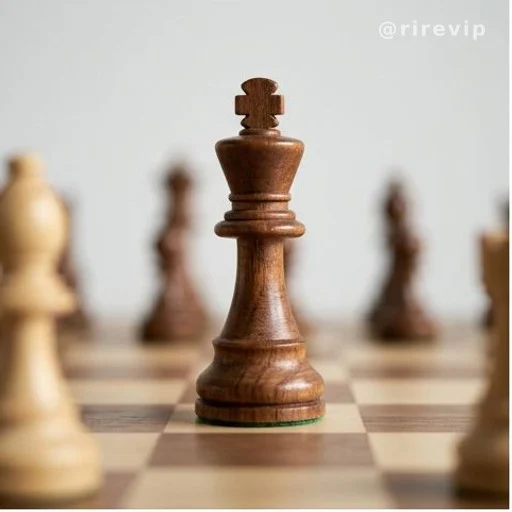
The answer hinges on a single, easily overlooked fact: chess is not a one-person game. A game of chess requires two players sitting across from each other. Kate cannot be playing chess alone.
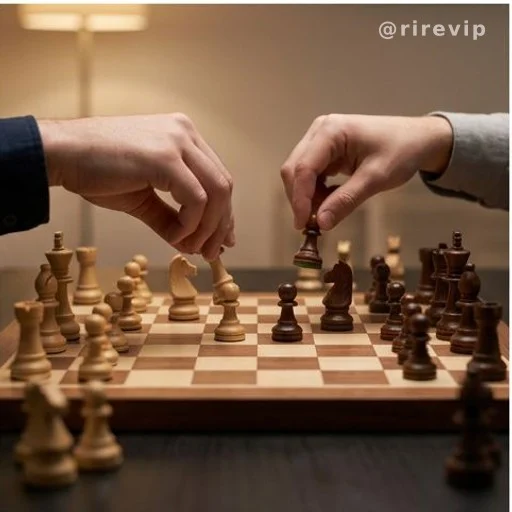
Since the riddle states there are only five sisters in the room, and four of them are already accounted for with individual activities, the fifth sister must be the one sitting across from Kate at the chessboard.
The answer, therefore, is that the fifth sister is playing chess with Kate. No hidden activity, no trick vocabulary — just a logical constraint that most readers skip right past.
Why Our Brains Miss the Obvious
This type of riddle is a classic example of misdirection through structure. The list format — one sister, one activity — conditions the reader to expect the same pattern for the fifth entry. The mind fills in the blank before fully analyzing the logic.
Cognitive shortcuts, often called heuristics, help us process information quickly in daily life. But they can also lead us to jump to conclusions. In this case, the brain races ahead to find a fifth unique activity rather than re-examining the activities already listed.
Regular engagement with puzzles and brain teasers is often cited by researchers as a way to strengthen cognitive skills and improve critical thinking — the ability to pause, re-read, and question the obvious.
What This Riddle Actually Tests
Despite the playful framing — “only geniuses spot it” — this riddle does not measure raw intelligence. What it genuinely tests is attention to detail and the willingness to re-read rather than react.
The lesson is practical: in everyday life, whether reading a contract, following instructions, or analyzing a situation, the most important information is sometimes embedded in what appears to be background detail. Missing it is not a sign of low intelligence — it is a very human tendency.
Brain training exercises like this one are a low-stakes way to practice slowing down. The challenge is not finding a complicated answer. It is resisting the urge to assume one exists.
The fifth sister riddle is a small but effective reminder that careful reading often matters more than complex reasoning. The answer was never hidden — it was sitting in plain sight, inside the rules of a board game everyone knows. Next time a puzzle seems to be missing something, it may be worth asking whether everything already given is truly understood.