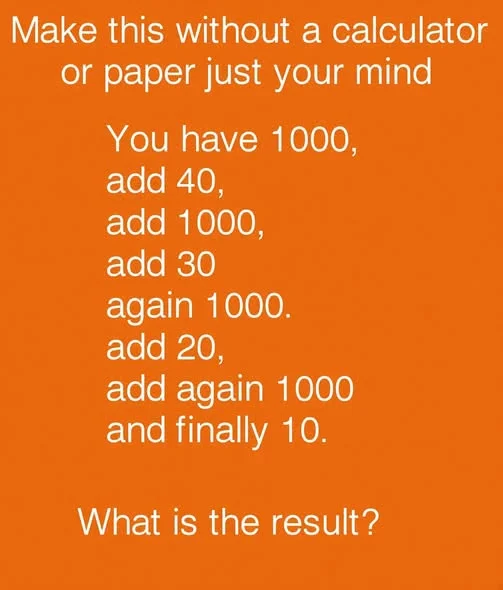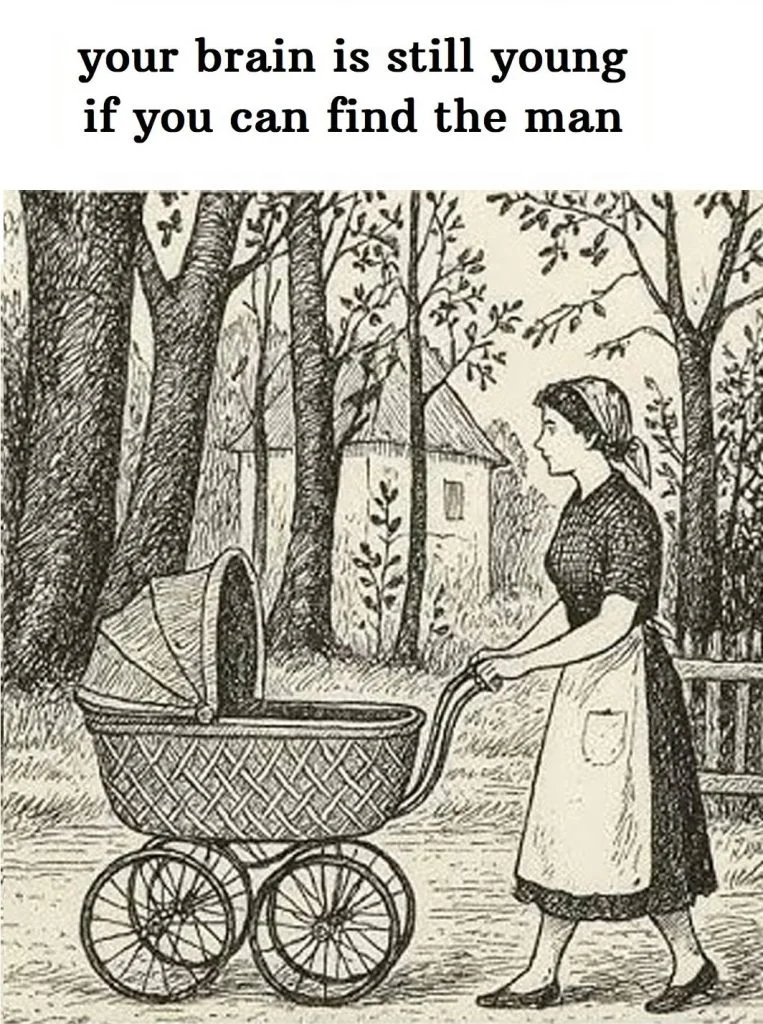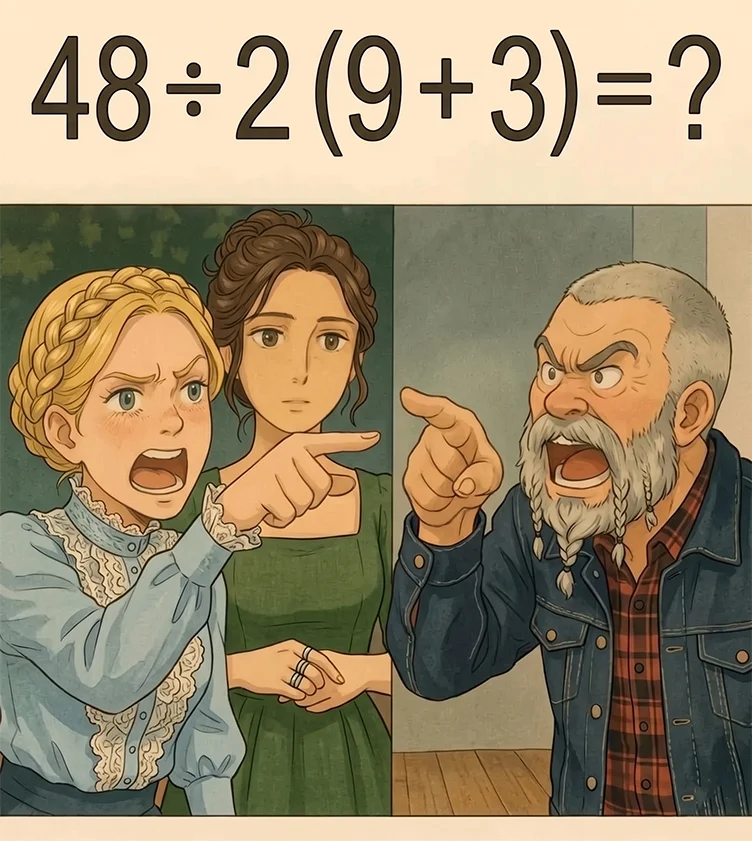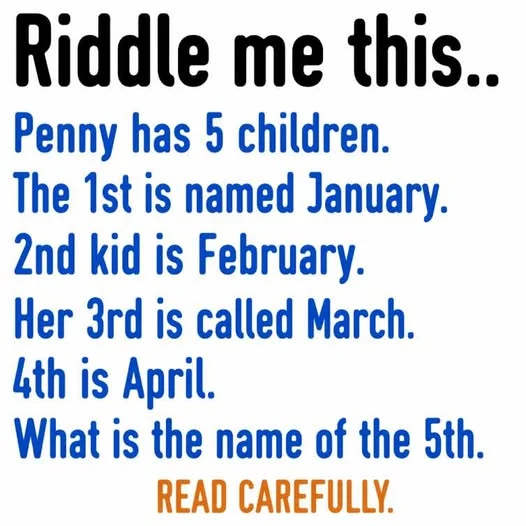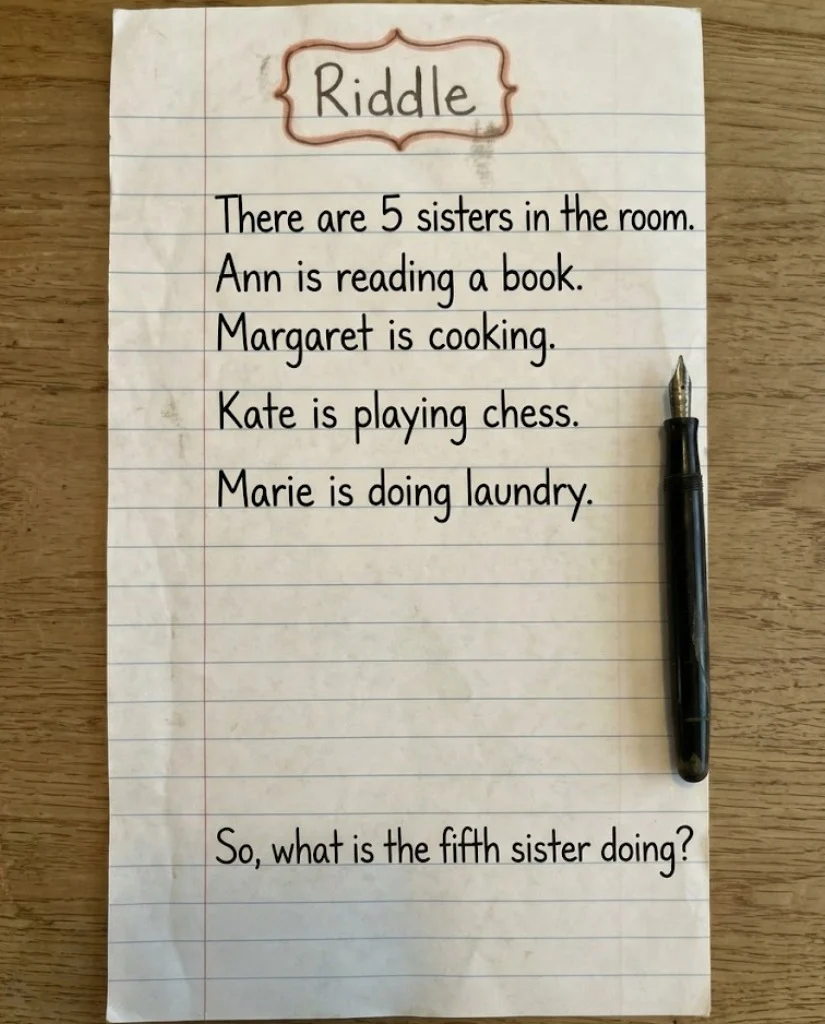
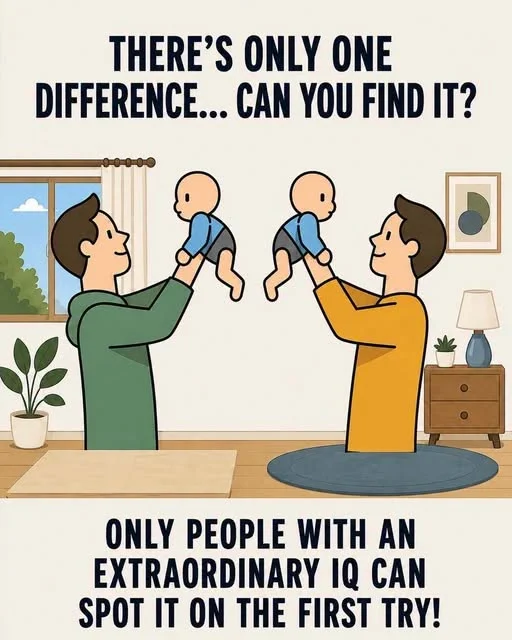
You stare at the image, scan every corner, and still can’t spot the difference. The frustration is real — but the explanation is rooted in how the human brain processes visual information. A psychological effect called inattentional blindness is largely responsible for making these puzzles so deceptively difficult.
Inattentional blindness: why looking isn’t the same as seeing
The brain is bombarded with visual data every second. To cope, it constantly makes decisions about which details are worth conscious attention — and which ones to filter out. This means that even when your eyes are pointed directly at something, your mind may not fully register it.