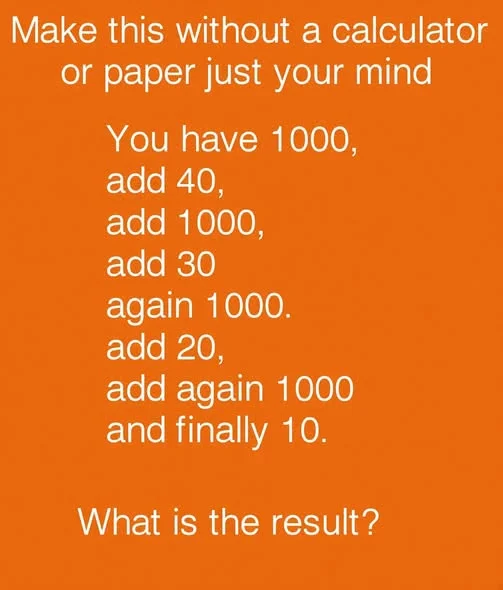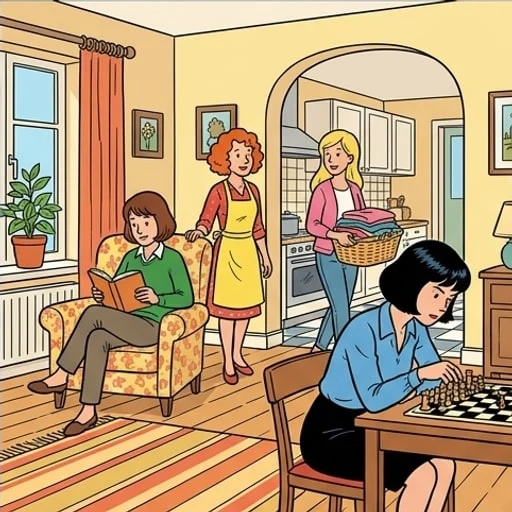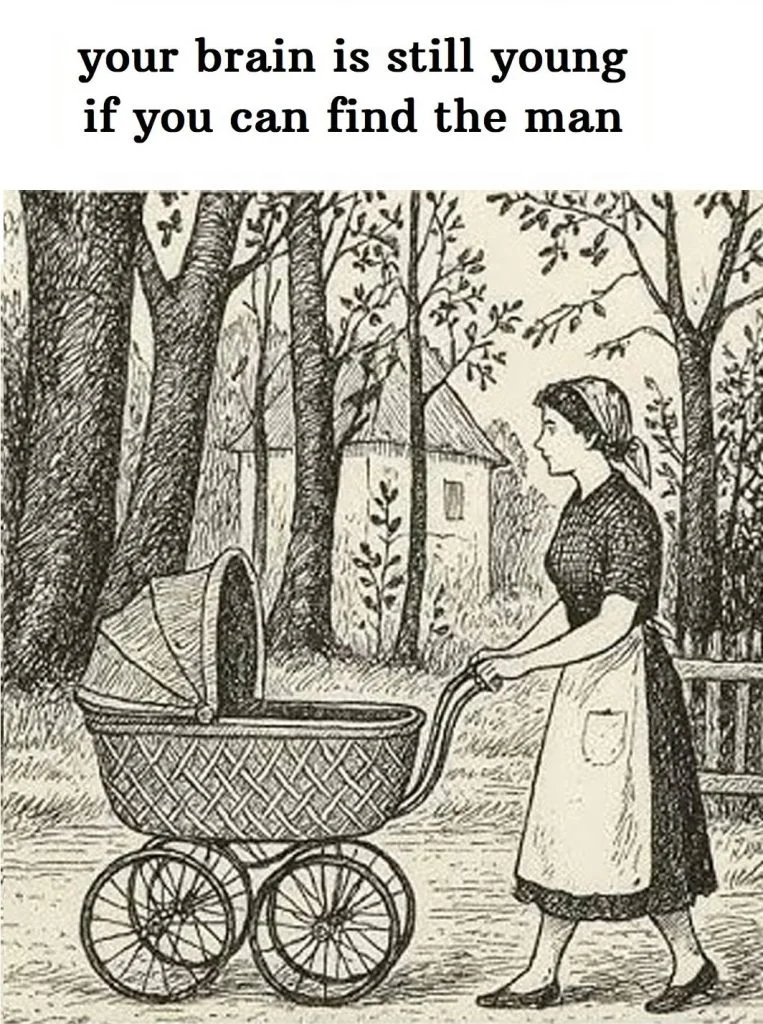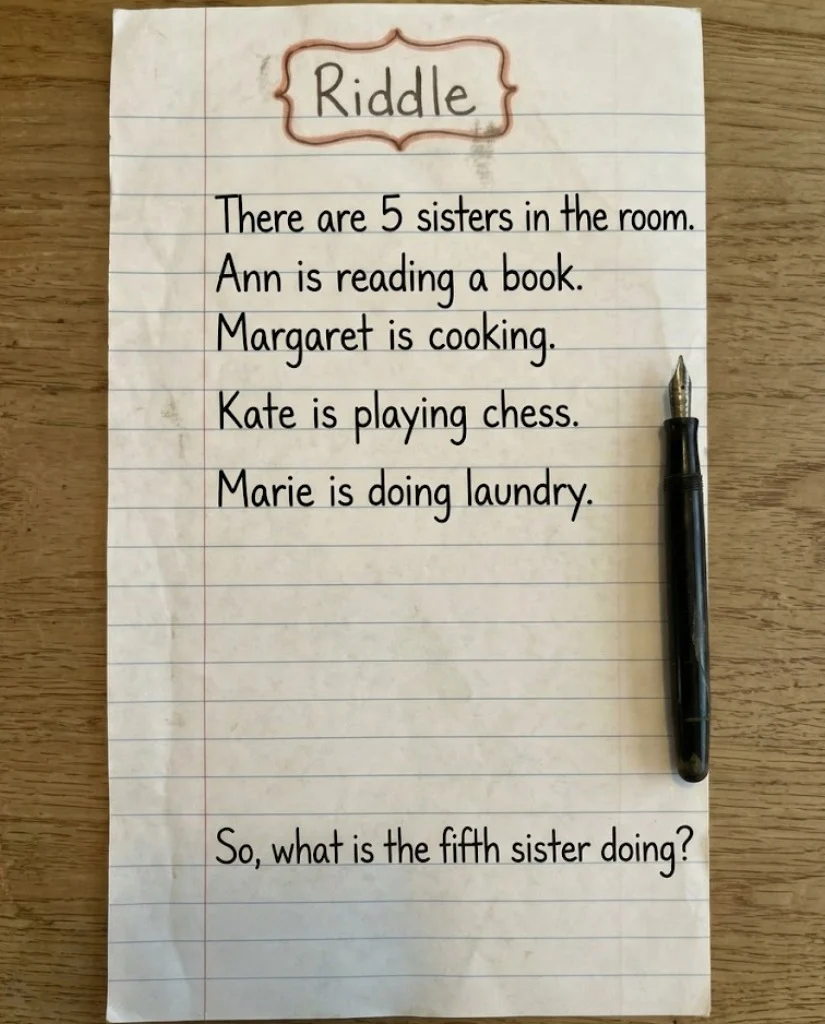
This phenomenon is known as inattentional blindness. It occurs when focused attention on one element causes unexpected or peripheral details to slip past awareness entirely. As the concept is described: “Looking directly at an image does not mean we consciously process every detail within it.”
The effect is not a flaw unique to certain people. It is a fundamental feature of how human attention operates, and visual puzzle designers know exactly how to exploit it.
What is inattentional blindness?
Inattentional blindness is a psychological effect in which focusing attention on one element causes other unexpected details to go unregistered, even when they appear directly in the visual field. The brain processes an enormous volume of visual data at any given moment and must continuously prioritize which information reaches conscious awareness. This selective filtering is efficient in everyday life but makes it easy for puzzle designers — and real-world distractions — to exploit.
How puzzle designers use your expectations against you
Visual puzzles are carefully constructed to take advantage of cognitive blind spots. An altered detail is often placed near the edge of an image, tucked inside a repeating pattern, or hidden among shapes that look nearly identical to their surroundings.
Expectations play an equally important role. If you enter a puzzle anticipating a color change, your brain will prioritize scanning for hues — and a subtle shift in shape or position may go completely unnoticed. The mind sees what it is looking for, not necessarily what is there.
Spatial bias adds another layer of difficulty. Most people instinctively focus on the center of an image, which means details placed in the corners or along the borders have a natural advantage when it comes to staying hidden.