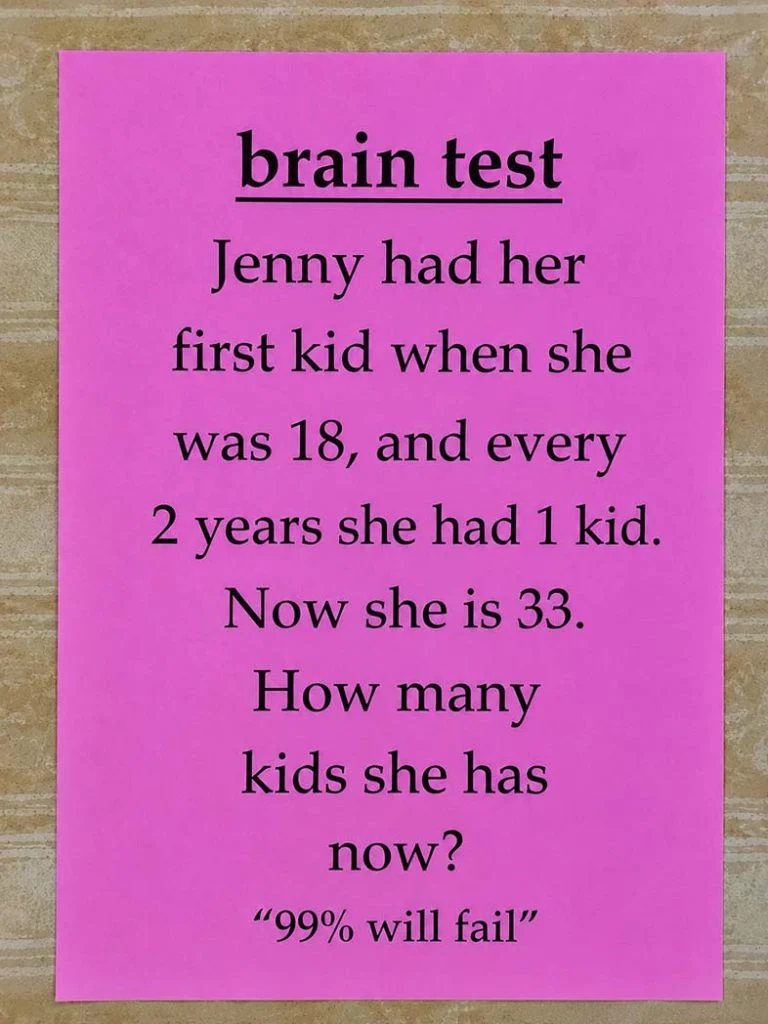
Struggling with a puzzle says nothing about your intelligence
A common reaction to failing a visual puzzle is self-doubt — a sense that a sharper eye or quicker mind would have caught the answer immediately. That assumption is mistaken.
These challenges are designed primarily for entertainment and to probe the mechanics of attention. They are engineered to be difficult precisely because they target universal cognitive tendencies, not individual weaknesses. Poor performance reflects the puzzle’s design, not the solver’s capabilities.
Eyesight quality is equally irrelevant. Inattentional blindness operates at the level of conscious awareness, not visual acuity. Someone with perfect vision is just as susceptible as anyone else.
Three practical strategies to find what your brain keeps missing
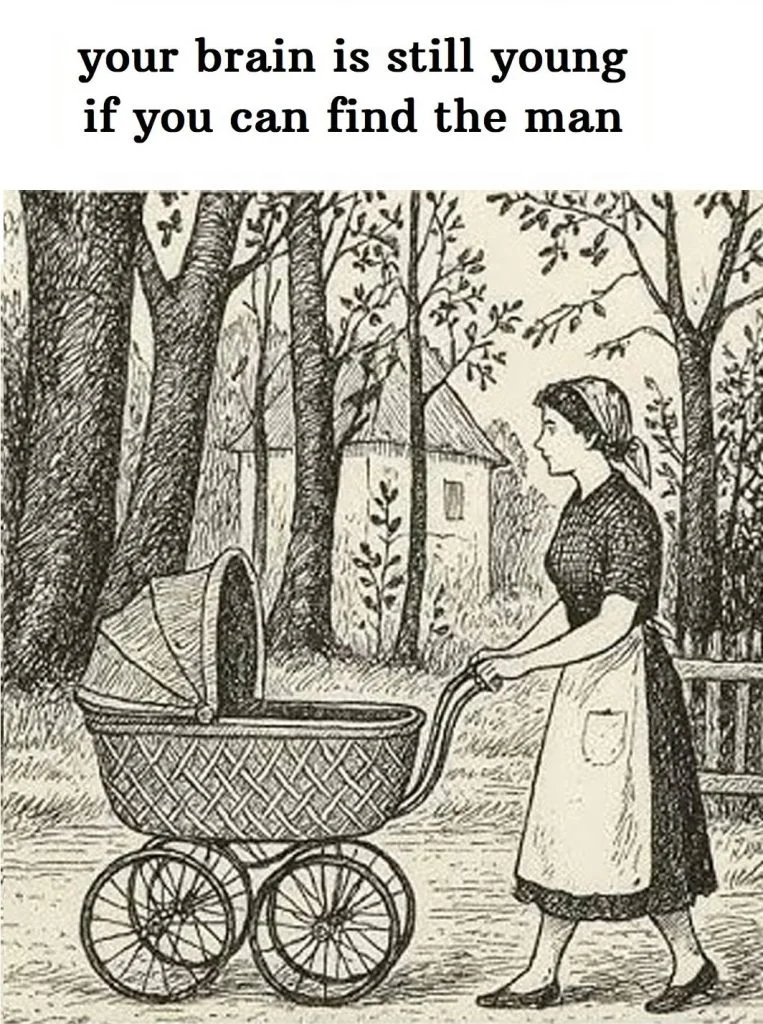
Changing your approach is more effective than simply looking harder. The first step is to deliberately scan the edges and corners of the image rather than defaulting to the center, where the eye naturally gravitates.
The second strategy is to compare shapes and positions rather than just colors. Since expectations about what kind of difference to look for can narrow attention, broadening the search criteria opens up new possibilities.
Finally, question what you assume you will find. The answer is often not hidden in any technical sense — it may have been visible from the very first look, simply waiting for attention to land on it.