It sounds like a paradox: something that can survive being dropped from the tallest building, yet is instantly destroyed by water. This classic riddle has been puzzling minds for generations — and the answer, once revealed, is as elegant as it is obvious.
En bref
- —A riddle: survives a fall, but dies in water
- —The answer plays on the word “dies”
- —Fire is the surprisingly simple solution
A Riddle That Sounds Impossible at First
The riddle goes like this: “You can drop me from the tallest building and I will be fine. But if you drop me in water, I die. What am I?”
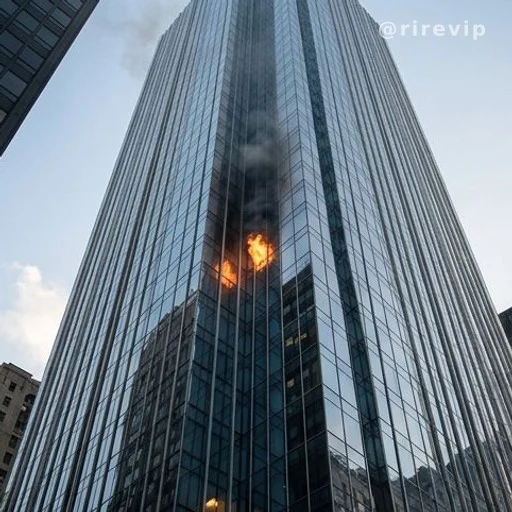
At first glance, the setup seems to describe something extraordinarily resilient. If an object can survive a fall from the tallest building, most people instinctively picture something unbreakable — a rubber ball, a feather, a block of foam.
But the second condition immediately contradicts that assumption. Whatever this thing is, it cannot survive contact with water. That combination feels almost impossible — until you approach it from a different angle.
The Art of the Lateral Thinking Riddle
Lateral thinking riddles are puzzles designed to challenge assumptions rather than test factual knowledge. Popularized by psychologist Edward de Bono in the 1960s, they encourage solvers to reframe a problem rather than approach it head-on. Fire-based riddles are among the oldest and most enduring examples of this genre.
The Key Word: “Dies”
The real trick in this riddle lies in a single word: “dies.” Most people read it literally, imagining a living creature. But the word is used metaphorically here.

Something can “die” without ever having been biologically alive. A sound dies when it fades. A fire dies when it goes out. This linguistic flexibility is exactly what makes the riddle work — it nudges your brain toward the wrong category of answers.
Recognizing this kind of misdirection is a core skill in lateral thinking and critical thinking exercises. The riddle doesn’t lie — it simply lets your assumptions do the misleading for you.
The Answer: Fire
The answer is fire. It is one of those solutions that feels obvious the moment you hear it — and yet almost nobody thinks of it before the reveal.
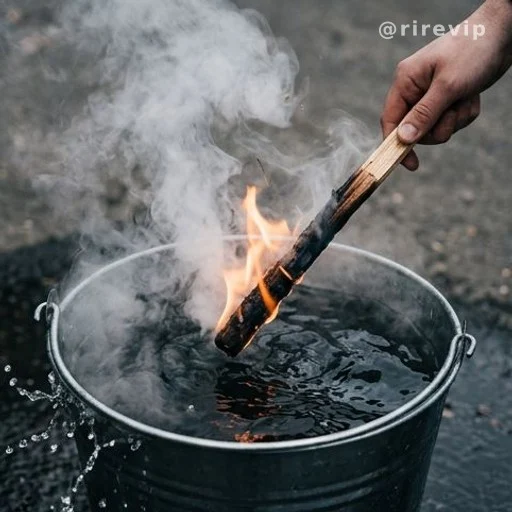
A burning object dropped from a great height will continue to burn as it falls through the air. The fall itself does nothing to extinguish it. In that sense, fire survives the drop.
But place fire in contact with water, and it is extinguished immediately. It “dies.” The contrast between surviving a massive fall and being killed by something as simple as water is what gives this riddle its satisfying punch.
What This Riddle Teaches Us About How We Think
Beyond the fun of the puzzle, this riddle is a small lesson in cognitive bias. Our brains are wired to take shortcuts — and when a riddle mentions “surviving a fall,” we immediately think in terms of physical toughness or durability.

This kind of brain training exercise highlights how easily our assumptions can lead us astray. The moment we question the framing — what does “die” really mean here? — the answer becomes accessible.
Riddles like this one have long been used in educational settings precisely because they reward flexible thinking over raw knowledge. They remind us that the most elegant solutions are often hiding in plain sight, just behind the assumptions we forgot to question.
This riddle is a perfect example of how a well-crafted question can make the obvious invisible. Fire — something we interact with every day — becomes a mystery the moment it is described through the lens of strength and vulnerability. The real takeaway is not just the answer, but the reminder to question the words we take for granted. Next time a problem feels unsolvable, it may simply be that one assumption is blocking the view.